

From idea to sample system production
Partners more than suppliers, we handle sample systems from idea to production. Creating a sample system is a craft that requires significant manual work, comparable to that of a tailor’s workshop. We still perform most operations by hand, from cutting the fabric to aligning materials, from applying rivets to gluing labels.
Consulting and Analysis

Every project is unique, tailored to the client’s needs. During the first meeting, we gather all the information necessary to develop the project, including budget and available timeframes. We then dedicate ourselves to analysis, during which we identify suitable materials and techniques, as well as anticipate potential issues. It is at this stage that working in partnership with the client is important, to create an atmosphere of mutual trust.
Sample System Design

We can develop an existing idea or create a custom concept based on shared guidelines. Design begins with the graphic development of the work, for which we use the most advanced technical drawing software.
Rapid Prototyping
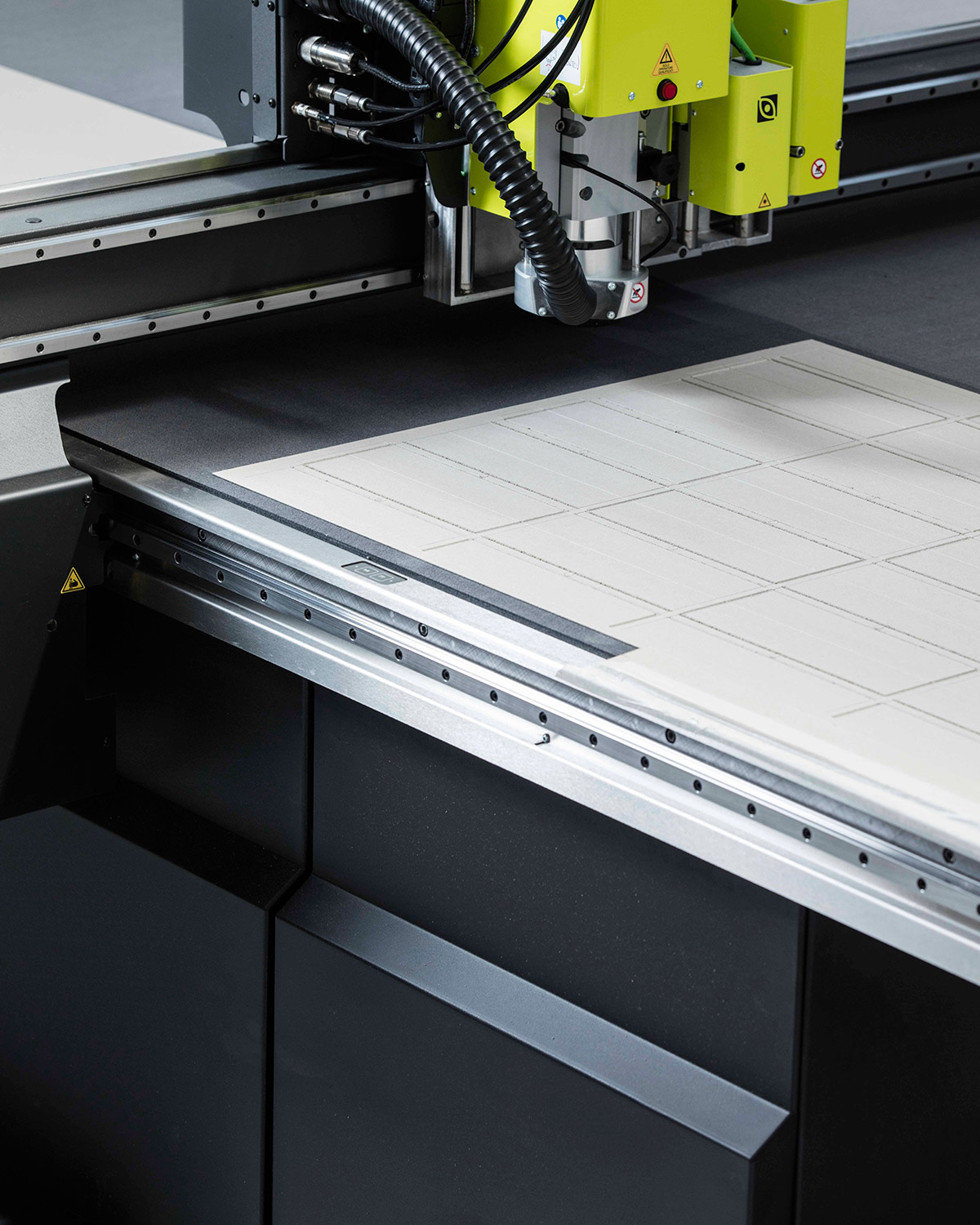
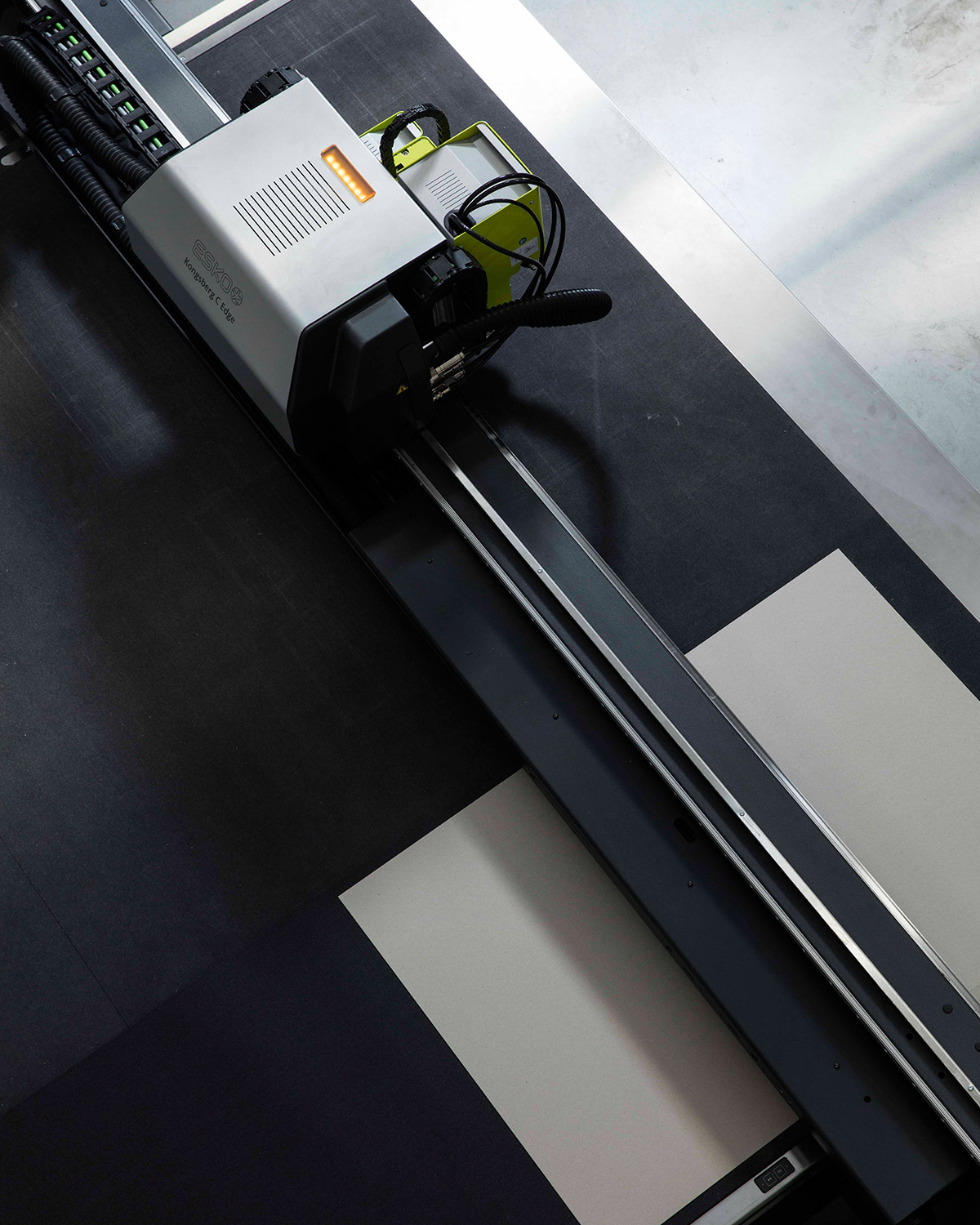
The prototype is the foundation of design because it allows you to see what has been only an idea until that moment brought to life. Thanks to rapid prototyping, the client sees a finished model of the work and verifies that the sample system meets their needs before production begins.
Fabric Cutting and Processing for Sample Systems


Fabric cutting and processing are our specialties. We know how to recommend the most appropriate cut for each client (zigzag, straight, or die-cut), one that enhances the product and eliminates fabric waste. If the fabric requires it, we also handle hemming.
Rigid Material Cutting and Processing for Sample Systems
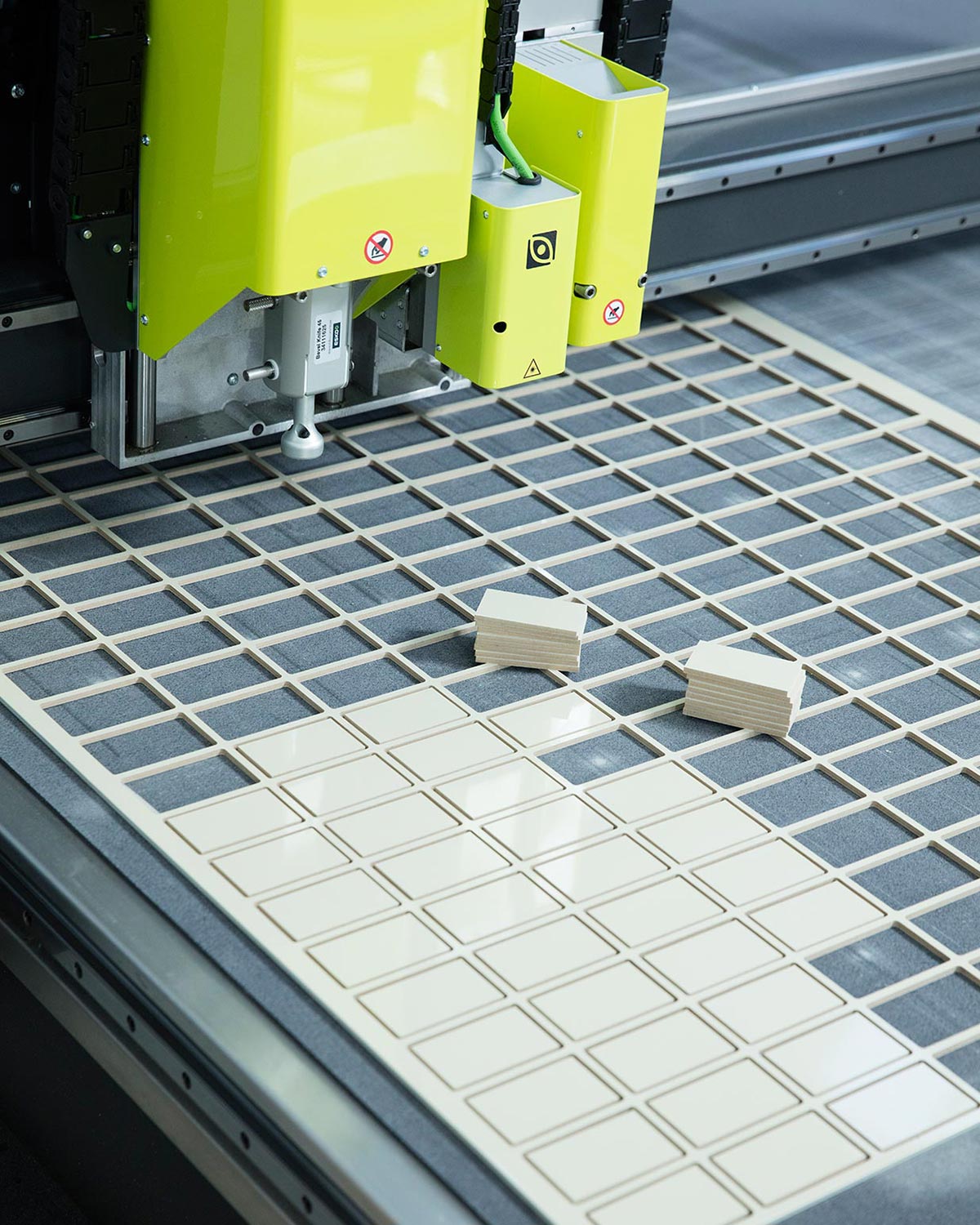
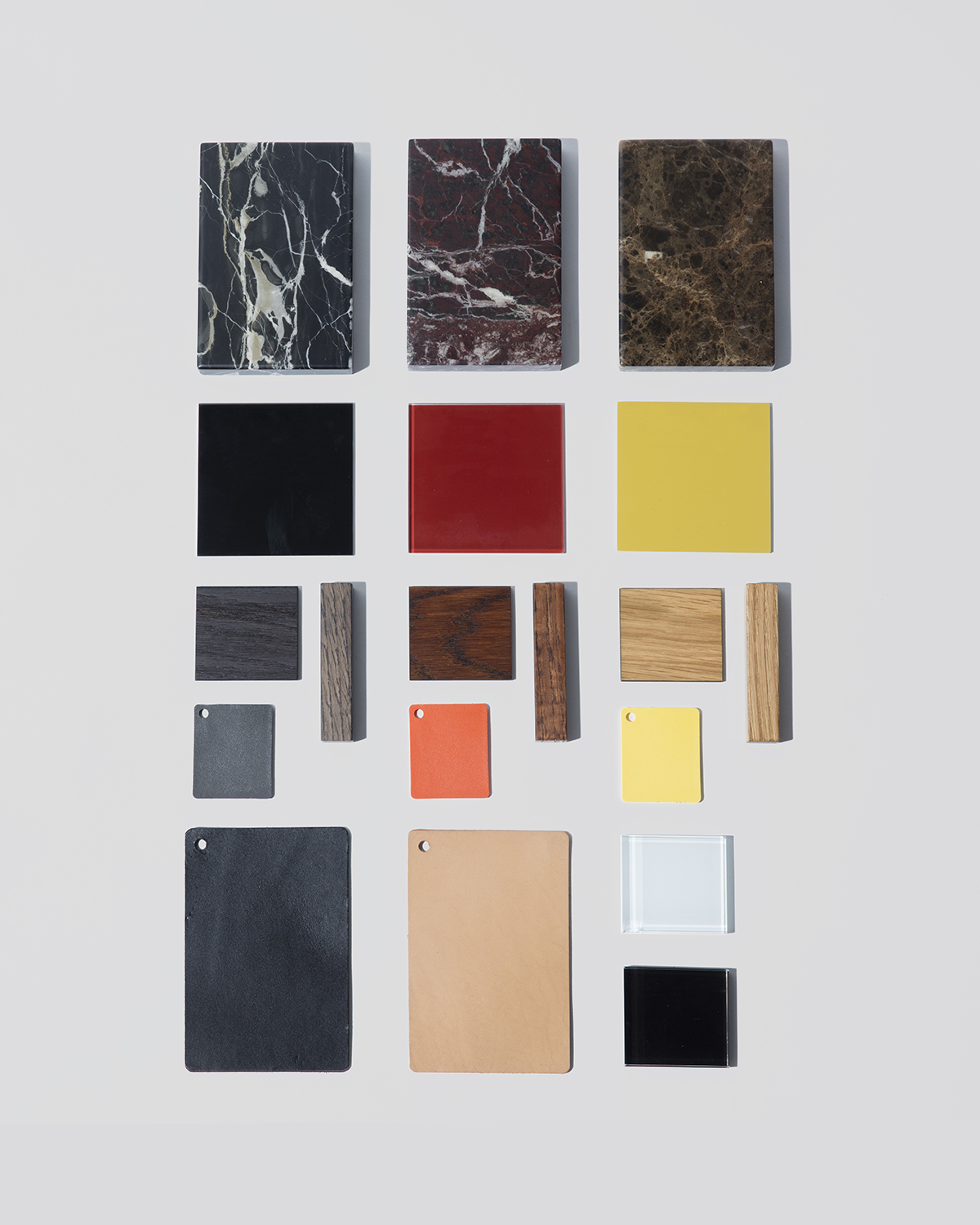
We perform cutting and milling on rigid materials such as wood, glass, aluminum, Dbond, forex, polycarbonate, and PVC of various thicknesses. State-of-the-art machinery allows us to produce both small quantities and large production runs.
Material Insertion and Application


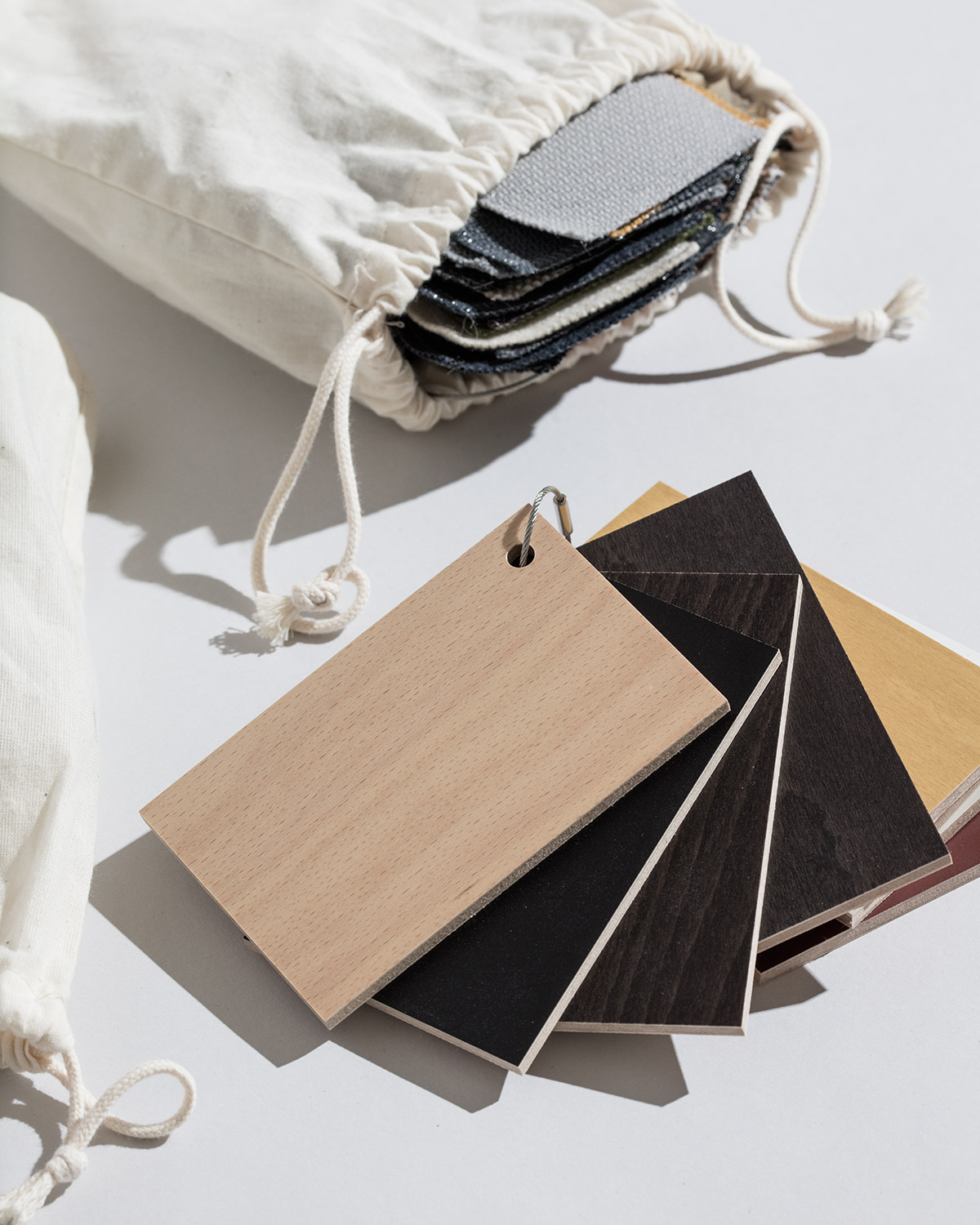

We believe that the quality of made in Italy is conveyed through the perfection of details. That’s why we put care and attention into inserting materials into sample systems, from gluing to checking the required sequence order.
Premium Finishes


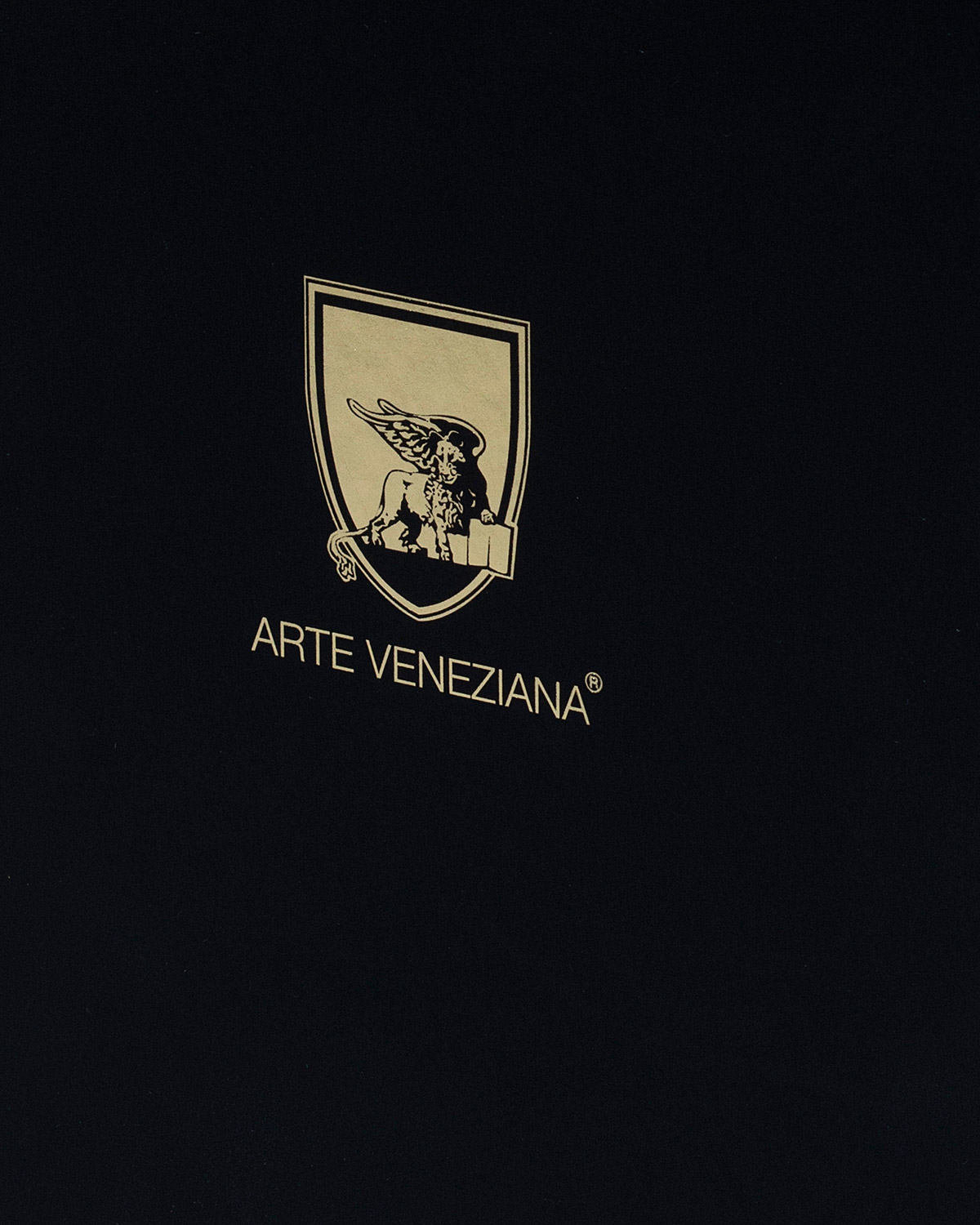
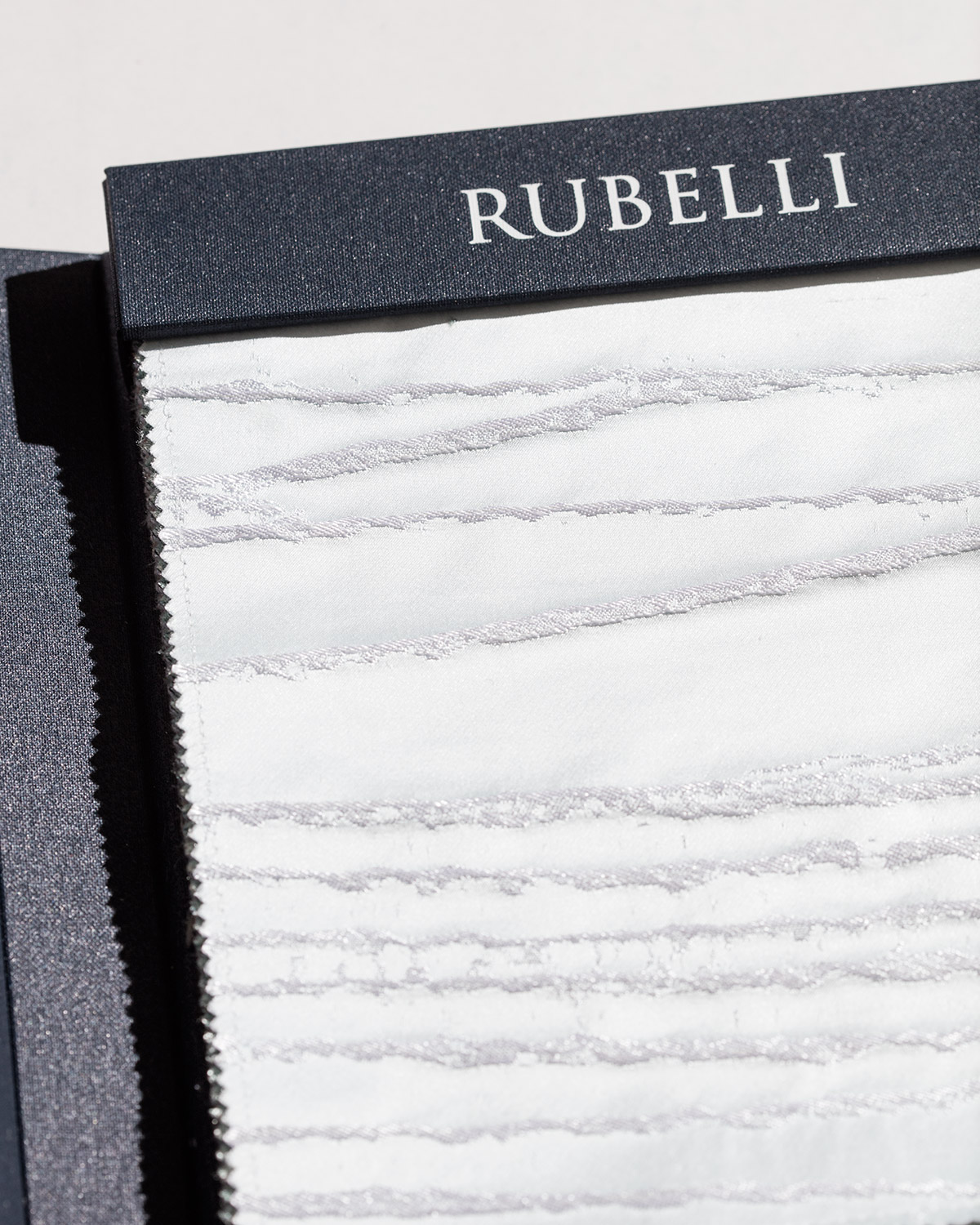
Hot stamping is a printing technique that combines pressure and temperature to achieve brilliant metallic colors that don’t lose their luster. Traditionally done in gold and silver, it can be executed in any shade. Screen printing (from serigraphy, meaning “printing on canvas”) is a printing method that uses a frame to print on various surfaces, from fabrics to canvas, from plastic materials to ceramics, from glass to metals. It is used to customize packaging, but also to apply codes and nomenclatures to materials without having to resort to labeling. Anti-scratch lamination is a transparent protective lamination that makes the surface resistant to scratches and abrasions, especially recommended for dark backgrounds. Soft-touch lamination is an innovative technique that makes the surface almost velvety, for a very striking tactile sensation.
Labeling and Coding


Labels replace direct printing, making materials and fabrics identifiable and distinguishable. We ensure the highest quality prints and select adhesives based on the substrate. We manually apply labels to rigid materials, fabrics, curtains, leathers, and technical materials (awnings, mosquito nets, etc.). Labels can be customized in both format and graphics.
Custom Packaging
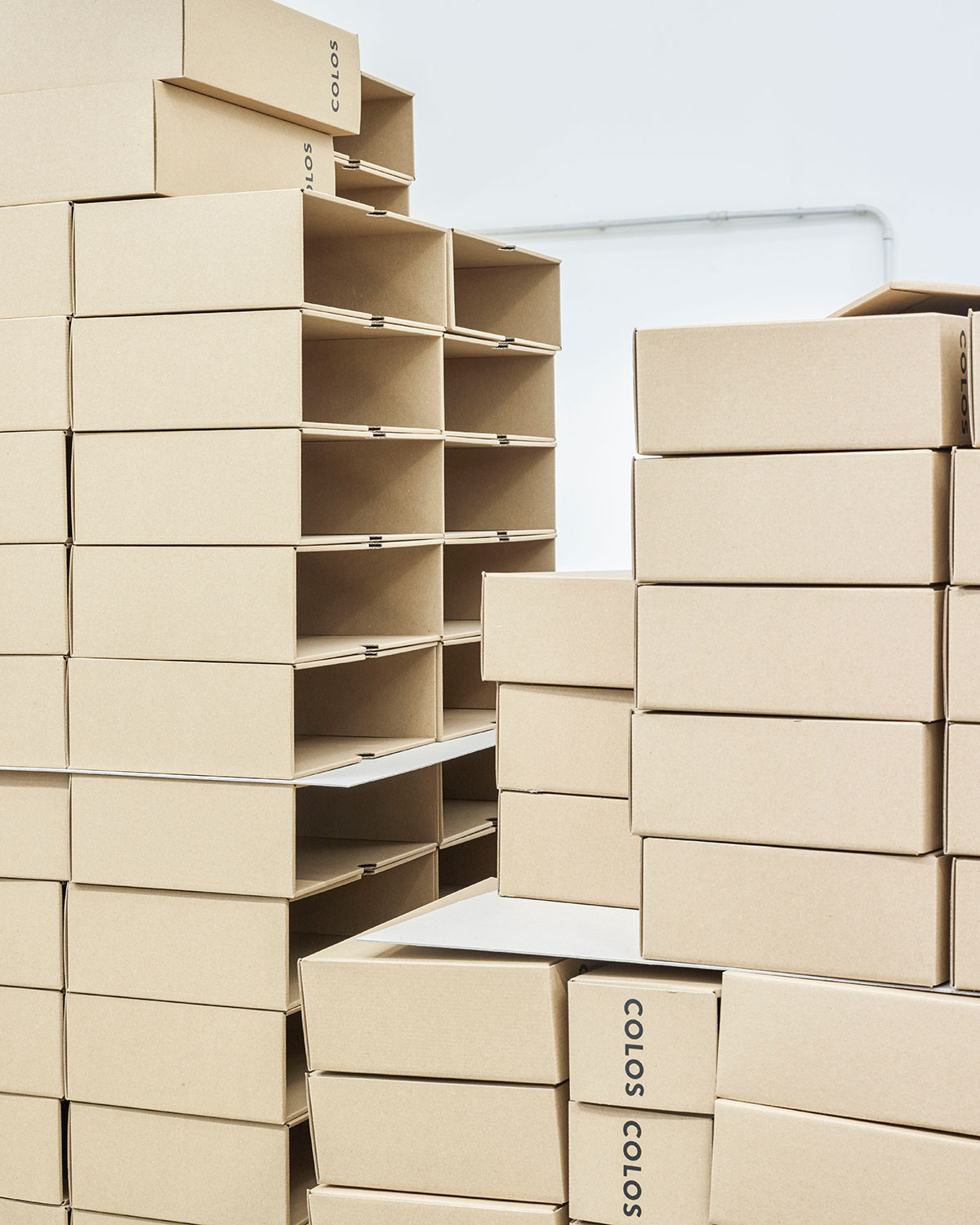

We create custom packaging boxes personalized with logos or codes for optical scanner reading.